Where Thermal Energy Storage works: hot, cold & real-world applications
Thermal Energy Storage spans a 2,500°C temperature range, from -75°C vaccine shippers to 1,800°C factory kilns. What works commercially depends on three practical things: the temperature you need, how big the unit is, and whether the end load wants heat, cold, or electricity.
1. Temperature spectrum: from deep freeze to industrial furnaces
Every thermal battery is built around a temperature window. Select any band below to filter the 12 application domains by operating temperature.
2. Twelve application domains (hot, cold & dual)
Compare hot and cold hardware tiers across eight real-world sectors on one grid. Click any maturity status to highlight matching cells, pick a single sector for a focused column view on mobile, or select Details to jump straight to the illustrated card.
Swipe sideways across sectors, or tap one sector above for a single-column mobile view.
Hardware Tier / Temp
Hospitality & Residential
Commercial & Data Centers
Manufacturing & Heavy Industry
Agriculture & Food
Cold-Chain Logistics
Medical & Healthcare
District Energy & Utilities
Off-Grid & Resilience
Hot Storage · Above Room Temperature
Compact & Building Hot40°C to 120°C
Salt-hydrate PCM, insulated water cylinders, warm PCM packs
Filter by thermal side, temperature band, deployment scale, or maturity. Each card lists the storage materials used today and links directly to verified companies operating in that niche.
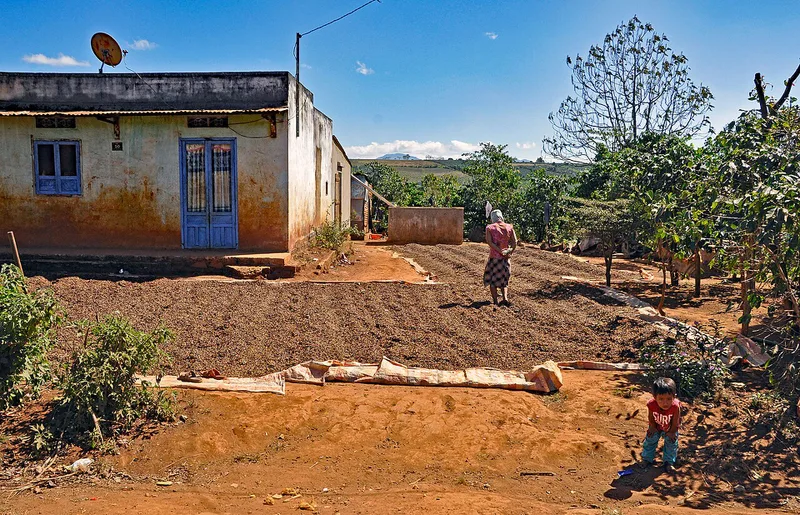
Factories making snacks, dairy powder, beverages, and dried tea, coffee, or fruit need steady hot air and low-to-medium pressure steam every shift. Replacing gas or coal boilers with thermal batteries charged on off-peak grid power or on-site solar is one of the fastest commercial wedges for hot TES.
Direct power-to-heat delivers 80% to 95% efficiency with zero combustion on site, and matches batch drying or continuous steam schedules.
Typical media: Sand, crushed volcanic rock, molten salt, concrete, PCM
Heavy Industry: Steel, Cement, Alumina, Paper & Fuels
Industrial & Utility·Commercial & FOAK (TRL 7-8)
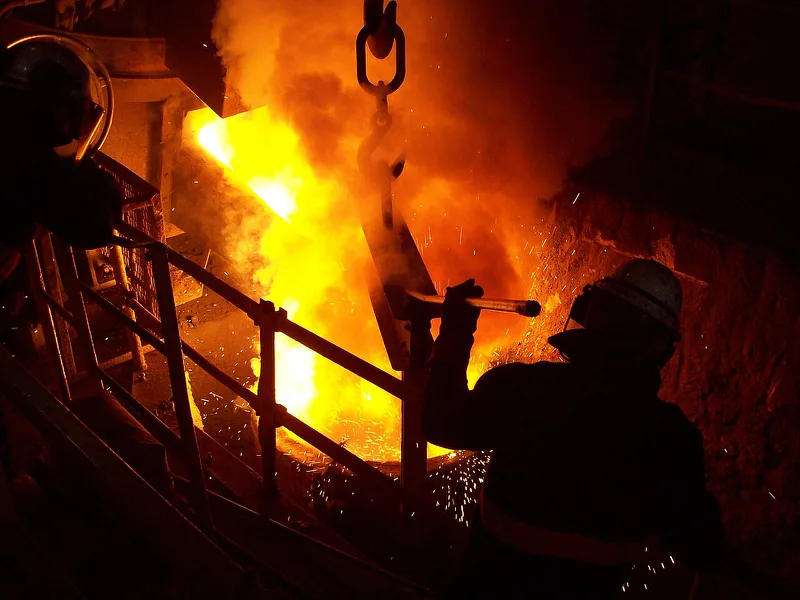
High-temperature industrial heat for alumina refining, paper mills, steel sinter waste-heat recovery, cement calcination, and synthetic aviation fuel (SAF) makes up a huge share of global fuel burn. Multi-megawatt-hour solid-media batteries turn intermittent wind and solar into continuous 24/7 kiln heat and high-pressure steam.
Refractory brick, carbon, and slag granules stay stable past 1,200°C without liquid corrosion and can also absorb intermittent furnace exhaust heat.
Typical media: Refractory firebrick, solid carbon blocks, recycled steel-slag granules, MGA blocks, CaO calcination
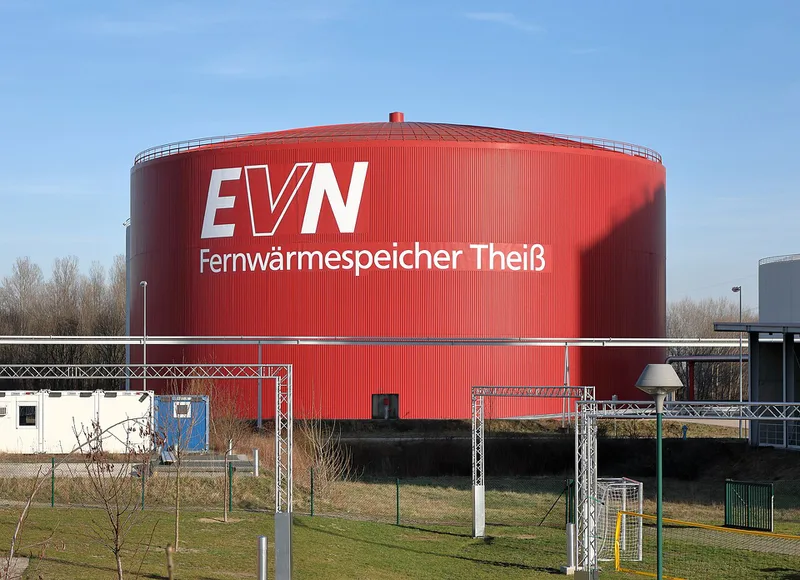
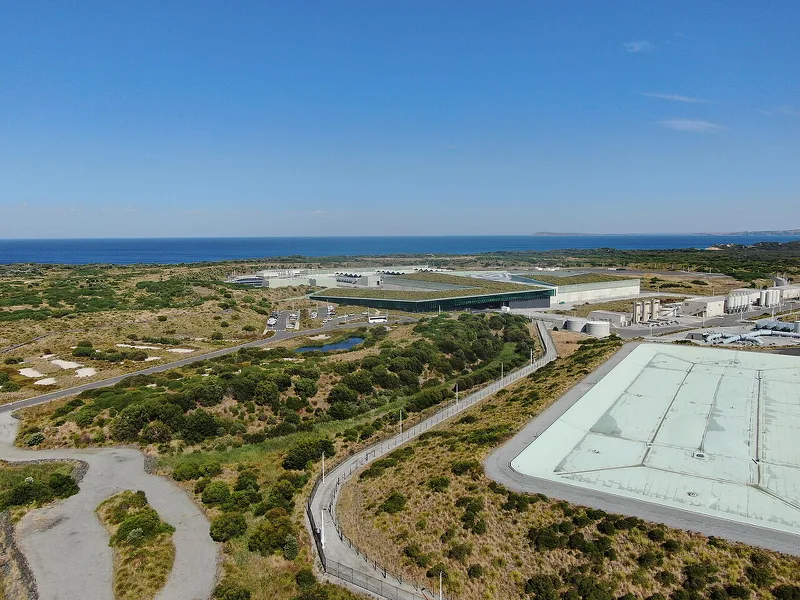
Town heating grids in cold climates use two proven TES workhorses: 100 to 250 MWh sand silos that soak up cheap wind and solar spikes for days, and giant lined water pits covered with insulated floating lids that hold summer heat all the way into winter.
At town scale, surface-area-to-volume ratios shrink so standby heat loss drops below 1% per day, letting utilities phase out oil and gas peaking boilers.
Typical media: Large sand/soapstone silos (600°C) and insulated municipal water pits (60,000+ m³ at 80-90°C)
Homes, Hotels & Resorts: Hot Water and Space Heating
Building & Residential·Commercial (TRL 9)
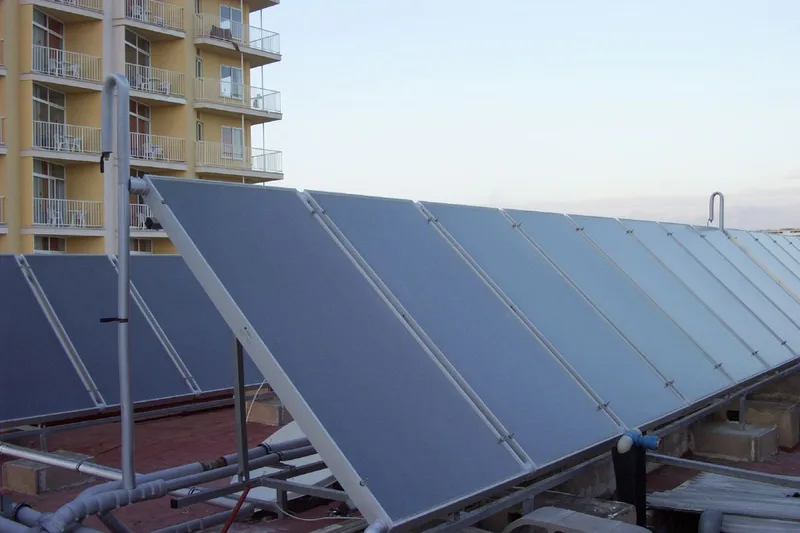
Houses, apartments, boutique hotels, and resorts need daily hot water and winter room heat. Compact electric heat batteries charge overnight on off-peak tariffs or midday rooftop solar and replace gas combi boilers in tight utility closets.
At building scale, compact PCM packs store 3 to 4 times more heat per liter than a plain water cylinder and hold temperature far better than small high-temperature sand boxes.
Hospitals require uninterrupted 121°C to 180°C steam for surgical sterilization autoclaves; industrial paint and coating lines need steady 150°C to 250°C curing air; arid coastal plants use 70°C to 120°C thermal energy to run multi-effect desalination around the clock.
Buffers spiky steam loads, cuts boiler cycling, and keeps critical sterile processing or freshwater plants running cleanly overnight.
Commercial HVAC, Airports, Campuses & District Cooling
Building & Campus·Commercial Mature (TRL 9)
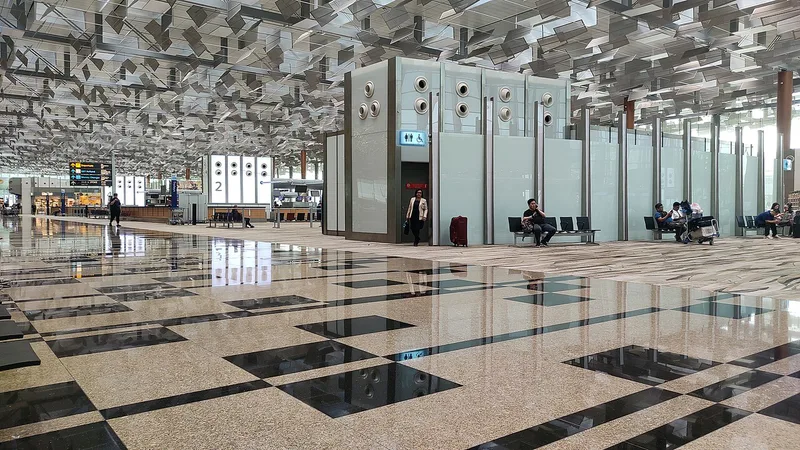
The largest installed base of thermal storage in the world. Office towers, hospitals, university campuses, hotels, and international airports freeze ice or chill water overnight when tariffs are low and outdoor air is cooler, then melt the ice to handle afternoon air-conditioning and aircraft pre-conditioned air peaks.
Proven for over 35 years: shrinks peak chiller size, cuts afternoon grid demand charges, and lasts 20 to 30+ years with almost zero capacity fade.
Dual (Hot + Cold)-4°C to +12°C (Cold) · 1,200°C (CSP)
AI & Hyperscale Data Center Cooling (and Powered Land)
Campus & Utility·Commercial & Scaling (TRL 6-9)
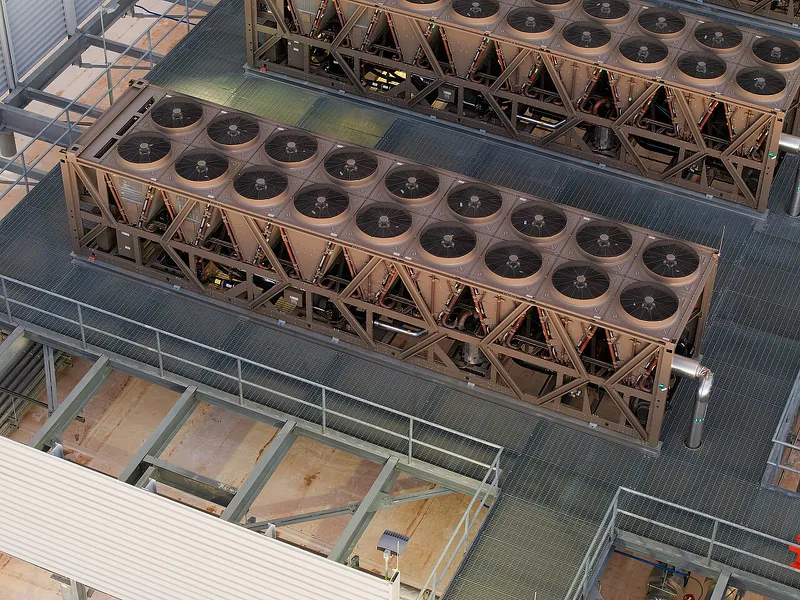
AI server halls face multi-year grid interconnection queues and steep cooling peaks. On the cold side, ice and PCM thermal batteries shave afternoon chiller power and provide ride-through cooling during grid switchovers. On the hot side, modular solar-thermal batteries aim to deliver 24/7 off-grid power for powered-land campuses.
Using lithium-ion batteries to run chillers adds conversion loss and fire risk; storing cold directly in water/ice takes cooling loads off the grid cleanly.
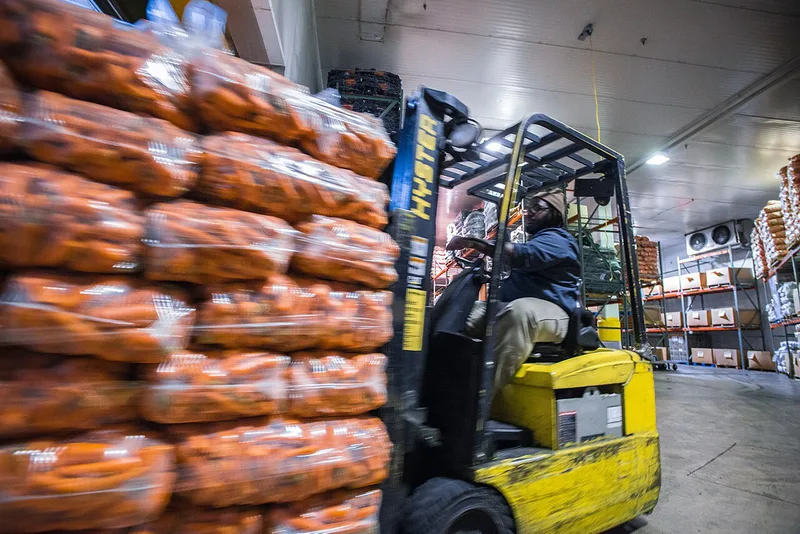
Frozen food distribution centers, food banks, and cold warehouses hang sub-zero eutectic PCM panels directly inside existing evaporator airflows. Compressors freeze the panels overnight, then shut off for up to 8 to 13 hours during peak afternoon electricity prices.
Cuts warehouse electricity bills by up to 25% to 35%, keeps frozen food temperature steadier, and protects inventory during power blackouts.
Typical media: Sub-zero eutectic PCM cells mounted in freezer racking
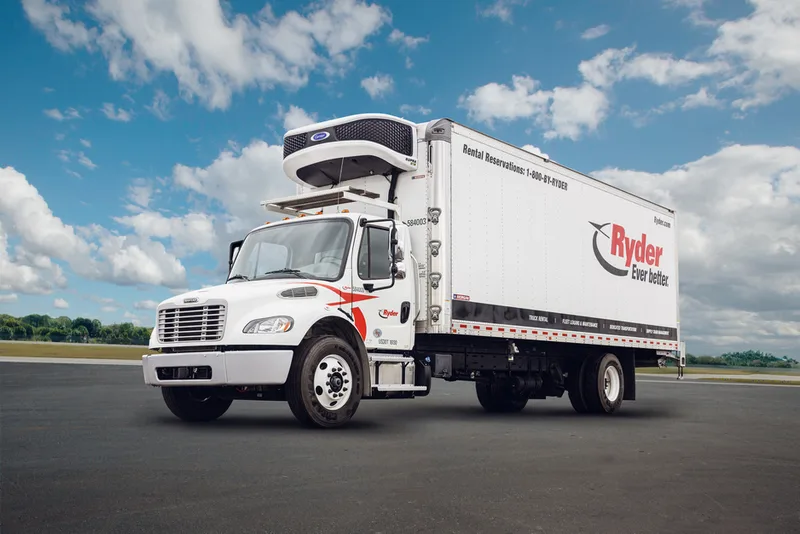
Instead of burning diesel in noisy auxiliary refrigeration engines during city stops, eutectic conversion kits mount sealed freezing plates inside standard delivery vans and trucks. Drivers plug in overnight at the depot, then deliver frozen or chilled goods all day engine-off. Smaller reusable PCM boxes cover parcel and food deliveries.
Slashes transport refrigeration fuel use by 50% to 80%, runs silently in urban low-emission zones, and lets one truck hold multiple temperature zones.
Off-Grid Solar Farm Cold Rooms, Dairy & Climate Resilience
Portable & Modular·Commercial (TRL 6-9)
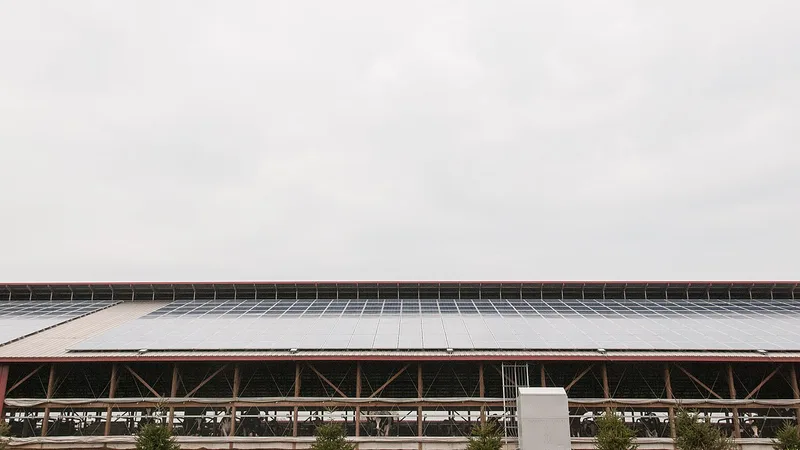
Across Southeast Asia, India, and Africa, 30% to 50% of fresh produce, milk, and fish spoils because rural grids are weak or absent. Modular solar cold rooms and milk chillers freeze an internal ice or PCM core during peak sun to hold 2°C to 10°C (or frozen -18°C) for 24 to 96 hours without heavy lithium battery banks. The same blueprint serves offshore islands and disaster shelters.
Direct solar-to-ice bypasses expensive, short-lived chemical battery banks and cuts diesel generator costs under pay-as-you-store models.
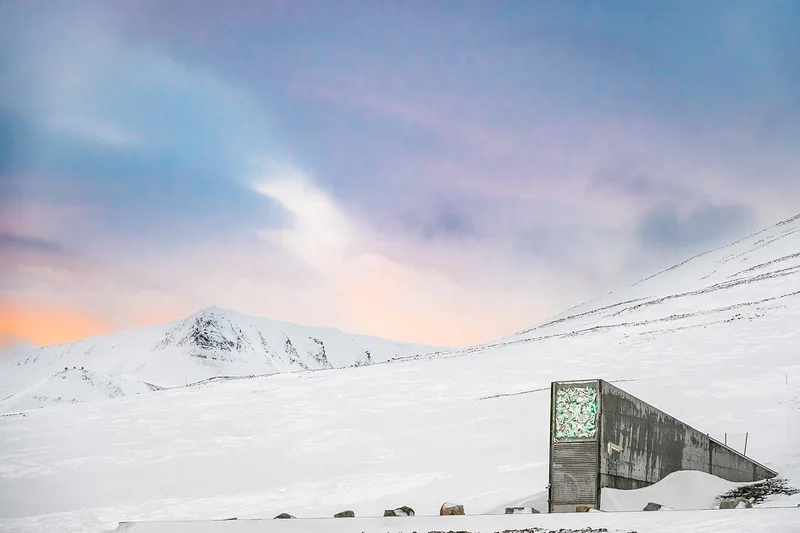
Vaccines spoil if they warm above 8°C or accidentally freeze below 2°C; biologics, stem cells, and long-term agricultural seed banks require stable sub-zero bands from -20°C down to -75°C. Solar direct-drive ice-lined fridges and VIP+PCM transport carriers maintain strict hold times of 72 to 120+ hours with zero grid power.
Latent heat phase change locks the payload right at its target melting temperature, avoiding the freeze-damage risk of plain ice packs.
Typical media: WHO PQS ice-lined solar refrigerators, engineered PCM + vacuum insulated panels (VIPs)
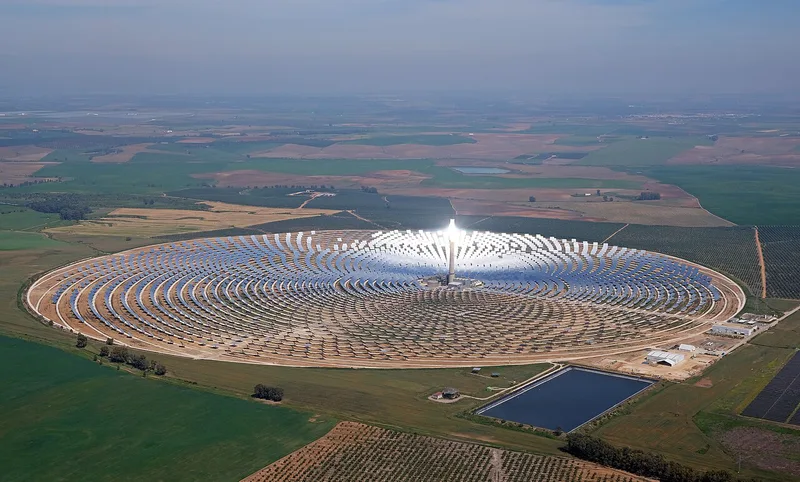
Storing multi-day electricity for the grid is harder than storing heat because converting heat back to power faces the Carnot limit. Commercial CSP towers pair 565°C molten salt with steam turbines for 7 to 12 hours of night power; newer long-duration systems use Carnot heat-pump loops (PTES) or white-hot carbon glowing onto solid-state TPV solar cells.
For 8 to 100+ hour grid storage, bulk rock, salt, or carbon tanks cost far less per kWh of storage capacity than scaling lithium-ion enclosures.
No application domains match those filters. Reset to view all 12 domains.
3. Four physics & market reality checks
Many early pitch decks and research brainstorms put thermal storage everywhere. Physics and real operating costs narrow down where each material actually wins.
Reality Check 1 · Scale
Portable warmers and food-delivery boxes use PCM, not hot sand
Because heat capacity scales with volume while heat loss scales with surface area, a small 10 to 30 kg box of hot sand cools down in a few hours. Commercial personal warmers, hot-food delivery packs, and compact home heat batteries use wax or salt-hydrate PCMs that sit safely near 45°C to 65°C with minimal insulation thickness.
Making electricity from 600°C sand loses two-thirds of the energy
Turning electricity into 600°C sand heat is ~98% efficient, but running a steam turbine backwards from 600°C only returns roughly 25% to 35% as electricity. That is why sand batteries focus on heat, drying, and district heating, while power-to-power startups push past 1,500°C with TPV or run dual-reservoir PTES heat pumps.
Sodium chloride (table salt) brine works well for -15°C to -20°C ice block makers and frozen food, but it freezes solid at -21.1°C. Ultra-low applications like -50°C seed storage or -70°C biologics shippers require engineered organic/eutectic PCMs, vacuum insulated panels, or cascade refrigeration.
Reality Check 4 · Economics of Scale
Town-sized seasonal storage works; tiny 50-home community loops struggle
In Denmark, municipal water pits holding 60,000 to 75,000 m³ (Marstal, Dronninglund, Hoje Taastrup) deliver decades of low-cost seasonal heat. By contrast, North America's famous 52-home Drake Landing solar borehole community was decommissioned in December 2025 because fixed annual O&M costs (~$150k/year) were too heavy for 52 houses to carry alone.
4. Match your thermal load to the right technology
A quick reference table linking target temperature to proven storage media and real-world scale.