Vipassana 101: How an Accidental 12-Day Silent Retreat Rewired My Tech Mind
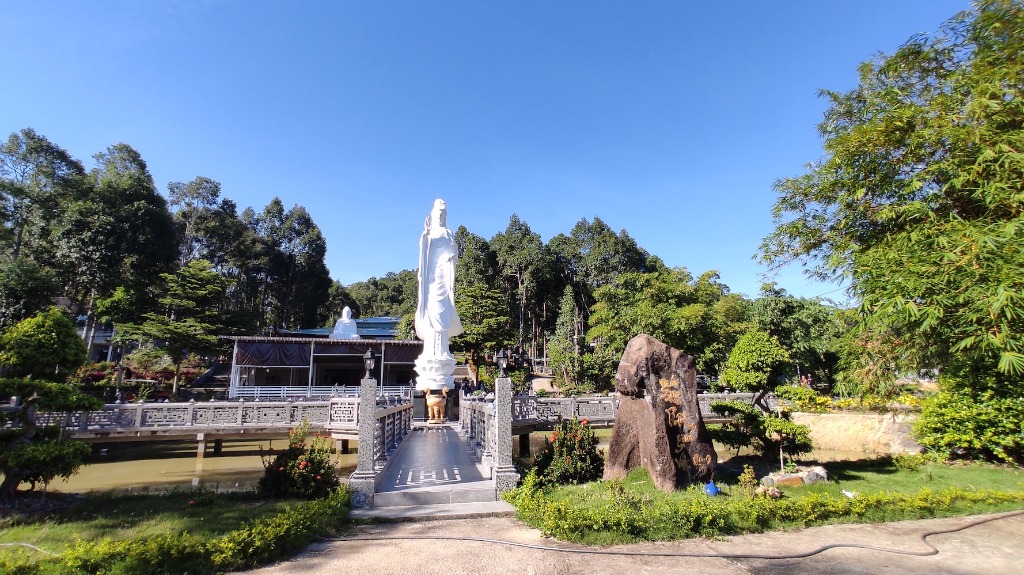
In July 2020, I spent 12 days at a silent Vipassana meditation retreat. At the time, I was dismissive of anything labeled spiritual. I signed up almost by accident, and nearly missed it completely.
1. The WordPress crash and an accidental registration
Back then, my entire world ran on code and data. I worked in software and analytics, dealt in pure logic, and had no patience for anything mystical, superstitious, or religious. I considered myself a strict free thinker. When people brought up meditation, I tuned out (years earlier, I had even written about hating traditional meditation and redefining it as motorcycle joyrides).
At the same time, I was running my own Data and BI startup in Ho Chi Minh City and going through a rough personal stretch. I was stressed, burned out, and dealing with constant client deliverables, firefighting projects, and the weight of running a company.
One morning I saw a link to a Vipassana course at Chùa Pháp Đăng Thiền Tuệ (Hồng Trung Sơn) / Chùa Viên Tuệ. I had barely done much research and was not taking it very seriously. When registration opened that morning, their WordPress site immediately crashed under traffic. I closed the tab and forgot about it.
Later that evening over dinner with friends, I pulled up the link on my phone just out of curiosity to see if the server was back online. The form loaded. I quickly typed in my details, hit submit, and secured a spot for a retreat starting two weeks later.
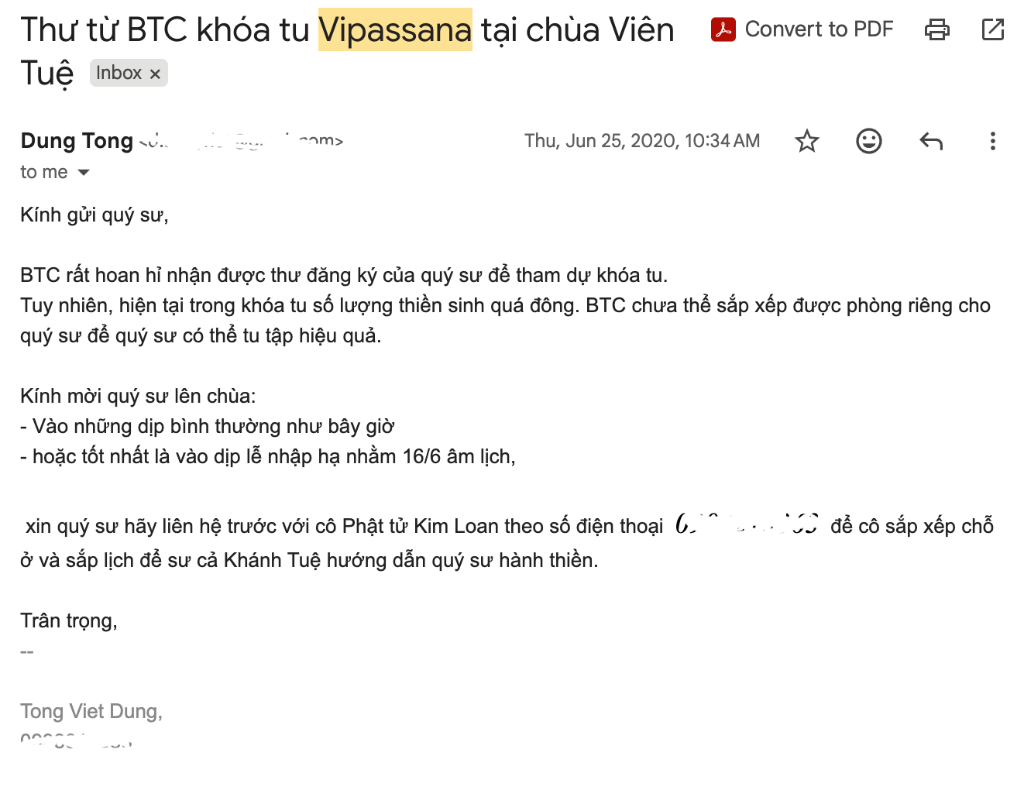
I had no idea at the time how difficult it was to get a seat. Only later did I learn that many people prepare months in advance and try repeatedly over years without getting in. For me, it was pure lucky timing and what felt like quiet fate: an offhand click during dinner got me a confirmed spot on June 25, 2020, for a July 6 start. It also turned out to be the very last session before the next major wave of COVID lockdowns shut everything down.
2. Leaving the city behind
My immediate worry was work. With multiple active client projects and a team depending on me, I was convinced everything would collapse if I disappeared for nearly two weeks.
That was just ego. I handed off what I could, told my team I would be completely unreachable, and got on the bus. The company did not collapse, and work continued without me.
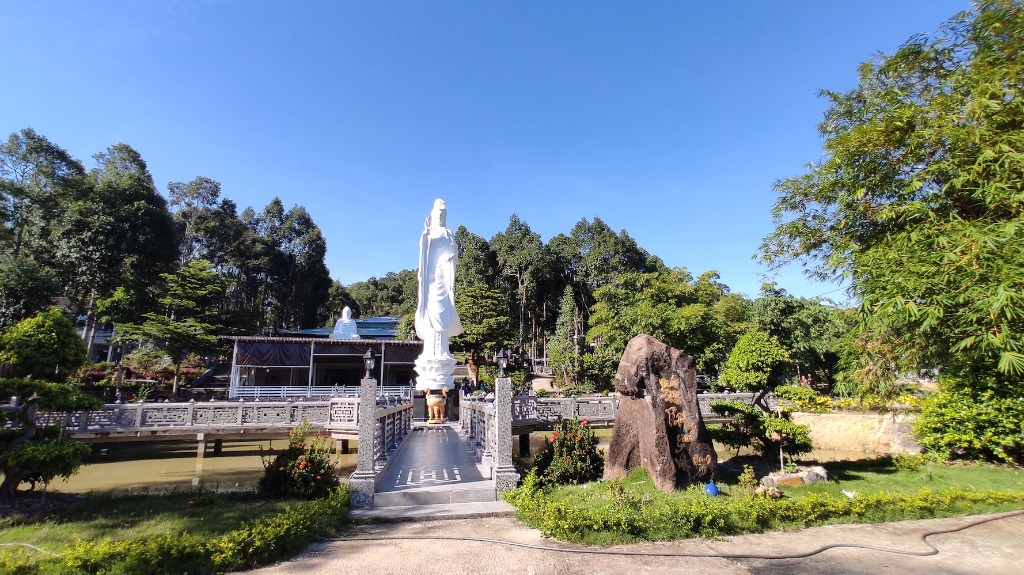
Around 200 people arrived at the temple. More than half were younger women, along with a small group of young men, and a mix of middle-aged and older practitioners.
Before things started, the staff collected our phones, wallets, IDs, and personal belongings. Everything went into locked storage. From that point on, we were under Noble Silence.
3. The rules and the daily reality
Noble Silence meant living alongside 200 people in total silence:
- No speaking, whispering, or hand gestures
- No eye contact
- No phones, laptops, or internet access
- No books, notebooks, or writing tools
The daily schedule ran from a 4:00 AM wakeup bell until lights out at 9:30 PM:
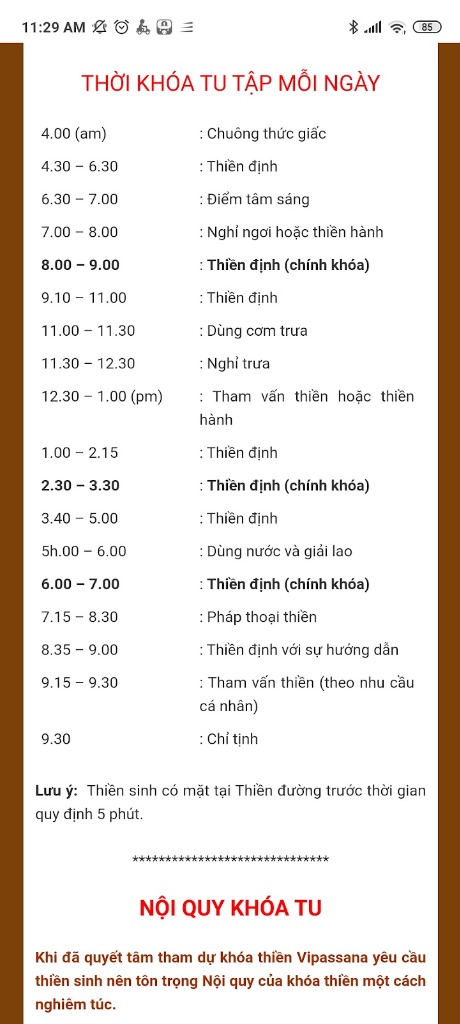
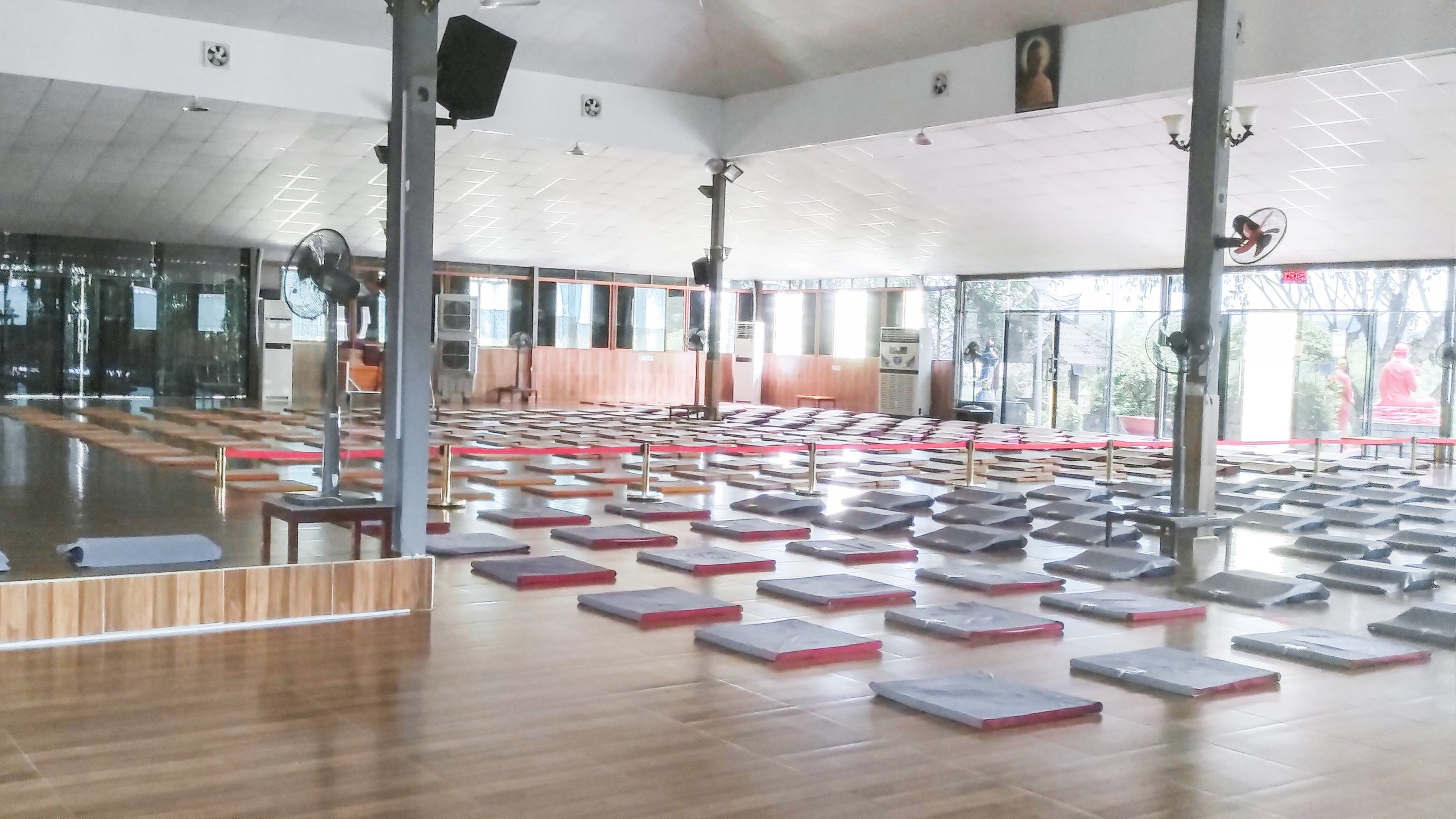
Most of each day was spent sitting on a cushion in the meditation hall, observing physical sensations and trying to keep the mind steady.
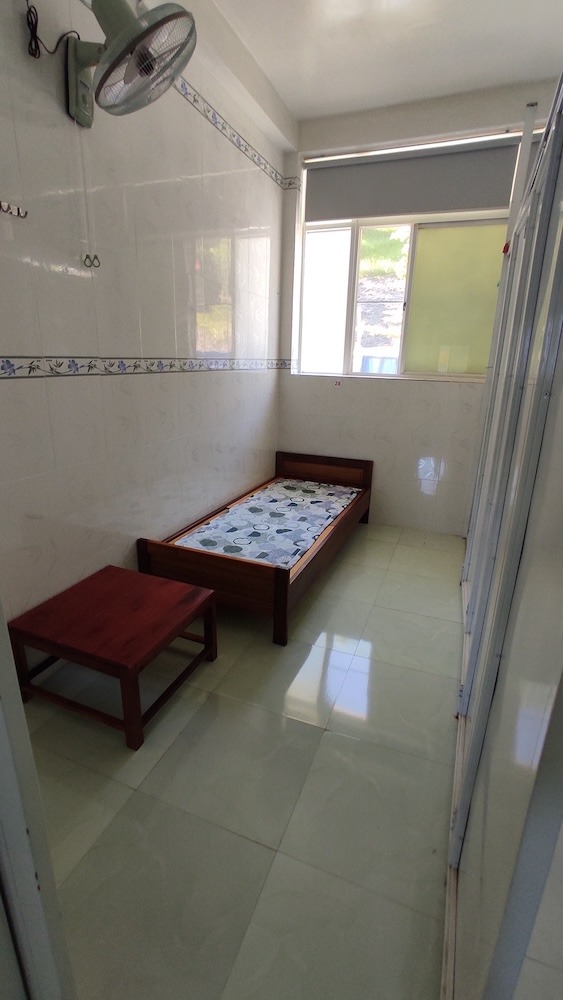
I was assigned to a split room shared with one other person. Other attendees stayed in larger dorms with 4 to 8 beds. Accommodations were basic: a thin mattress on the floor, bare walls, and a small wooden stand.
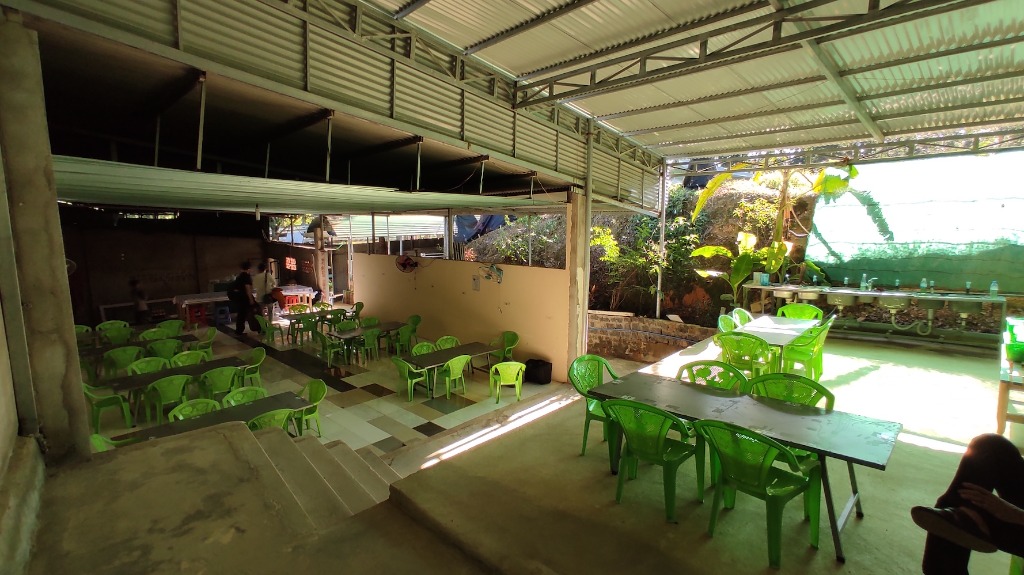
Meals were simple vegan food cooked by volunteers and past students, served on a strict schedule. If you missed a meal, you waited until the next scheduled window.
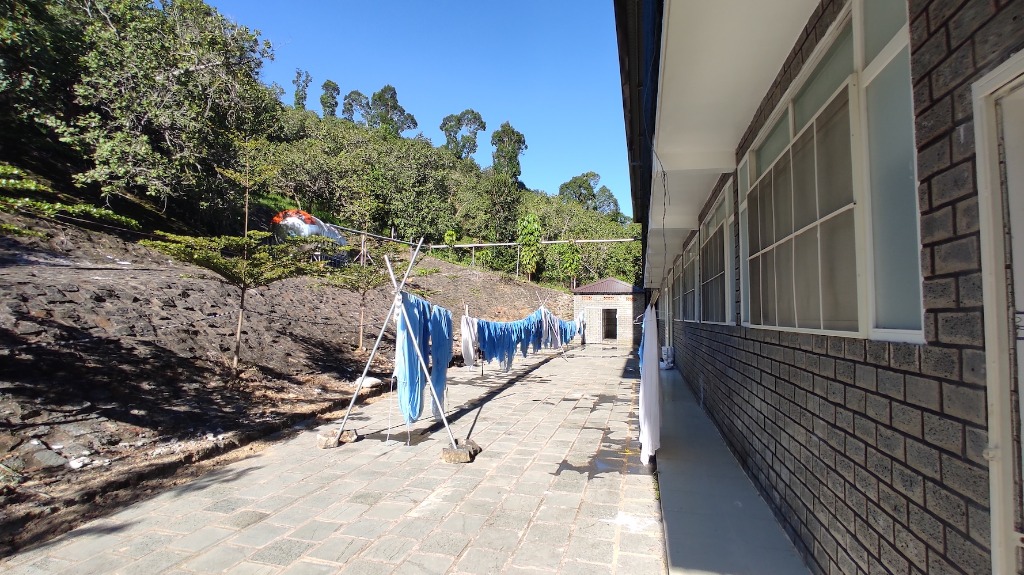
Between meditation blocks, we had 30- to 60-minute breaks to wash clothes by hand, take showers, and walk around the designated paths.
4. Wanting to quit every single day
The experience was physically and mentally exhausting.
Sitting cross-legged on the floor for 10 to 12 hours a day takes a heavy toll when your body is conditioned to an ergonomic office chair. After a couple of hours, knees ache, the lower back locks up, and the neck stiffens.
Without a phone, conversations, or notepad, the brain looks for whatever stimulation it can find. Old memories, regrets, unresolved arguments, and work worries surfaced constantly.
I wanted to pack up and leave almost every day, even through days 9 and 10. But the center was remote, leaving early was restricted to family emergencies, and there was no practical way out. I simply had to sit through it.
5. What actually changed
I had no sudden mystical epiphany during the retreat. Most of the time, I was uncomfortable, tired, and watching the clock.
The shift came later, weeks and months after returning to normal life.
When you sit through physical pain without shifting or reacting, you start noticing how sensations behave. A sharp pain in the knee or back rises, peaks, stays for a period, and eventually subsides.
The pain itself is a physical signal, but much of the distress comes from mentally fighting it. Once you stop resisting and simply observe the physical sensation, the psychological tension drops.
In Vipassana, this principle is called Anicca (impermanence).
Experiencing that bodily changed how I react to stress. Crises, contract disputes, and business setbacks still happen, but my reaction is much slower now. Situations arise, create discomfort, and eventually pass.
6. Looking back
I am not a meditation teacher, monk, or spiritual expert. I do not maintain daily meditation rituals, and I still approach work and life through engineering, data, and logic.
A 12-day silent retreat is not something everyone needs. Daily life provides plenty of friction on its own without needing an extreme environment.
What the July 2020 retreat did provide was a rare look at what happens when ordinary props disappear: job titles, status, social media feedback, and constant conversation.
Removing those inputs forced me to observe how my own mind generated friction on its own, and how much mental energy went into defending an identity that existed mostly in my head.
Continue to Part 2: Vipassana 102: Sleepless Solitude, the Endless Thought Stream, and Lessons That Took Years to Land →